


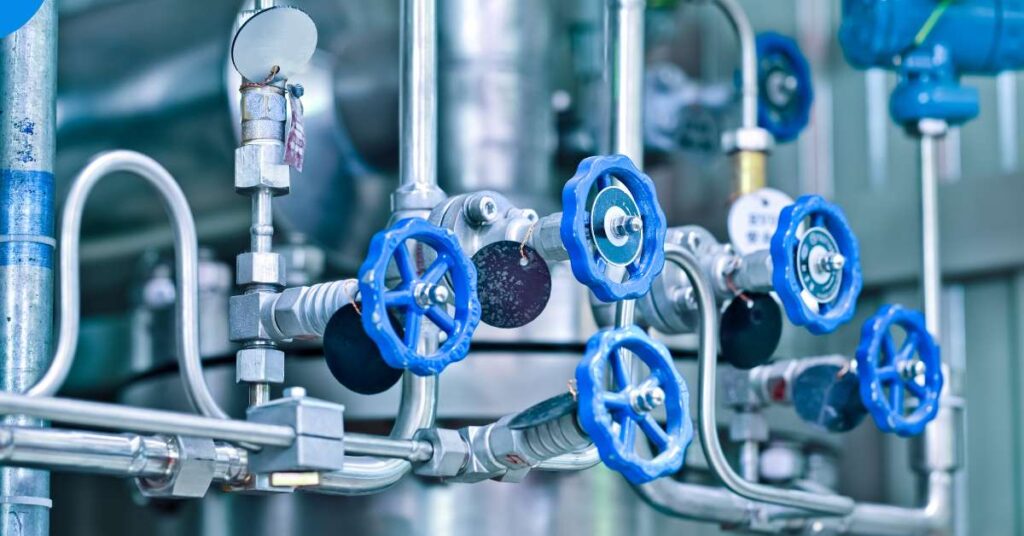
How to Select the Right Industrial Valve for Your Application
Selecting the right industrial valve is one of the most important decisions in any process industry. A small mistake in valve selection can lead to leakage, frequent breakdowns, safety risks, and unnecessary maintenance costs.
On the other hand, the right valve helps your system run smoothly, improves safety, and reduces long-term operational issues.
This guide explains how to select the right industrial valve based on real application conditions, not just catalog specifications.
Why Valve Selection Matters in Industrial Applications
Industrial valves control the flow of liquids, gases, and steam inside pipelines. They play a critical role in industries such as oil & gas, chemical processing, water treatment plants, power stations, and manufacturing units.
Many problems start when valves are selected only based on price or quick availability. Over time, this leads to:
- Pressure drop in the system
- Poor flow control
- Leakage and seal failure
- Short valve life
- Safety concerns for operators
That is why valve selection should always be based on process requirements, not assumptions.
Step 1: Understand the Purpose of the Valve
The first step is to clearly define what the valve needs to do.
Before selecting any valve, ask these questions:
- Is the valve used only for on-off operation?
- Does it need to control or regulate flow?
- Is it required for emergency shut-off?
- Will the valve operate frequently or occasionally?
For example:
- On-off applications commonly use ball valves or butterfly valves
- Flow control applications require control valves
- Safety systems often need fast-acting automated valves
When the purpose is clear, the chances of wrong selection are reduced.
Step 2: Identify the Type of Media
The type of fluid passing through the valve has a direct impact on valve selection.
Important points to check:
- Is the media liquid, gas, steam, or slurry?
- Is it corrosive or abrasive?
- Does it contain solid particles?
For example:
- Steam applications need valves that can handle high temperatures
- Chemical fluids may require corrosion-resistant materials
- Slurry applications need valves that do not clog easily
The valve design and material must always match the media.
Step 3: Check Pressure and Temperature Conditions
Every industrial valve is designed to operate within specific pressure and temperature limits.
You must know:
- Normal operating pressure
- Maximum pressure
- Operating temperature
- Temperature variations during operation
Using a valve beyond its rated limits can cause seal damage, body deformation, or sudden leakage.
For high-pressure and high-temperature services, valve rating and standards are extremely important.
Step 4: Select the Right Valve Material
Valve material plays a major role in durability and safety.
Common industrial valve materials include:
- Cast Iron
- Carbon Steel
- Stainless Steel
- Alloy Steel
Material selection depends on:
- Type of media
- Operating temperature
- Corrosion risk
- Industry standards
For example:
- Stainless steel is commonly used in corrosive or hygienic applications
- Carbon steel is widely used in steam and oil pipelines
Choosing the wrong material may reduce valve life and increase maintenance costs.
Step 5: Choose the Appropriate Valve Type
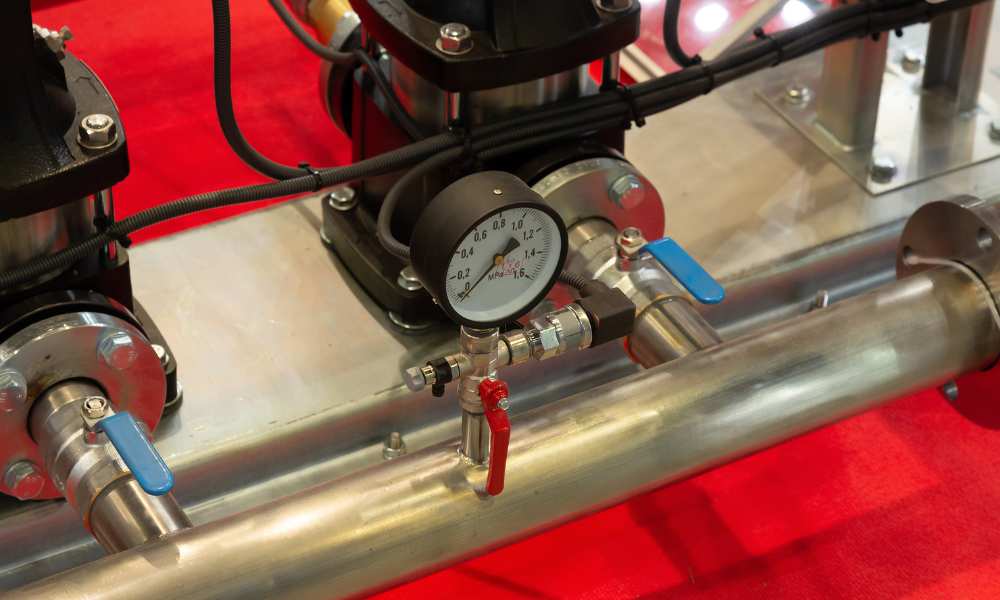
Different valve types are designed for different functions.
Some commonly used industrial valves include:
- Ball Valves – Fast operation and low pressure drop
- Butterfly Valves – Compact and economical for large pipelines
- Gate Valves – Full flow with minimal resistance
- Globe Valves – Better control of flow
- Control Valves – Precise regulation of flow and pressure
The correct valve type depends on how the process needs to operate.
Step 6: Decide Between Manual and Automated Operation
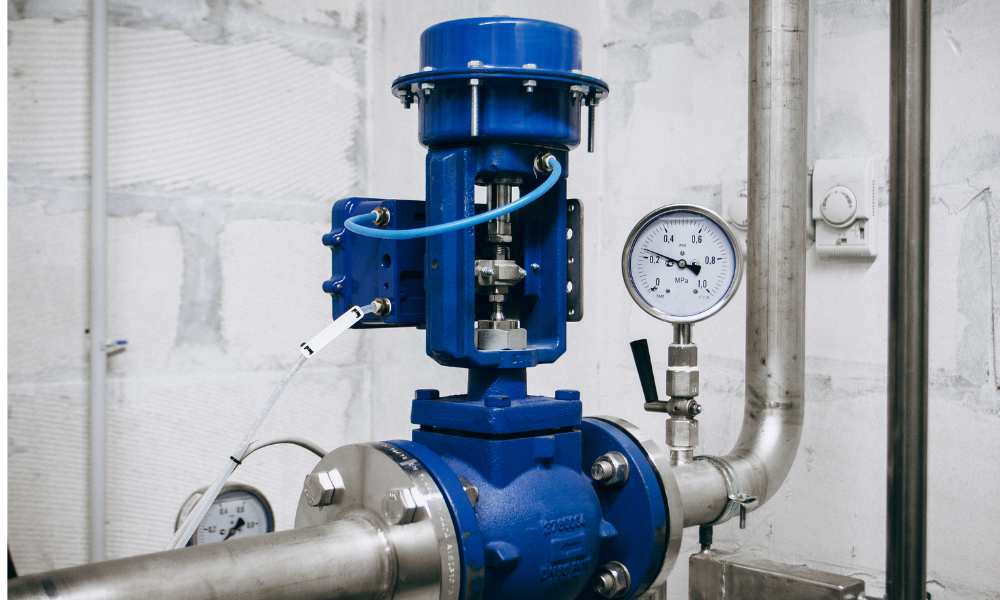
Many modern industries prefer valve automation for better control and safety.
Consider these points:
- Is manual operation sufficient?
- Is remote operation required?
- Is frequent valve operation involved?
- Is safety a critical concern?
Common automation options include:
- Pneumatic actuators
- Electric actuators
Automated valves help improve process efficiency, operator safety, and system consistency. In large plants, automation is often essential.
Step 7: Consider Installation and Maintenance
Valve selection should also take maintenance into account.
Check:
- Available installation space
- Ease of maintenance
- Availability of spare parts
- Technical service support
A valve that is difficult to maintain can increase downtime and overall operating costs.
Step 8: Buy from a Trusted Distributor
Even the best valve may fail if it is incorrectly selected or poorly supported.
A reliable distributor helps with:
- Correct valve selection
- Application guidance
- Genuine products
- After-sales and technical support
This support is especially important for automated and critical process applications.
Common Mistakes to Avoid in Valve Selection
- Selecting valves only based on price
- Ignoring pressure and temperature ratings
- Using incorrect materials for the media
- Choosing automation without understanding the process
- Buying from non-authorized sources
Avoiding these mistakes saves cost and improves system reliability.
Final Thoughts
Selecting the right industrial valve is not just a technical choice—it is a long-term investment in plant safety, performance, and operational reliability.
C.B Trading Corporation, we understand real industrial conditions, process challenges, and application-specific requirements. By carefully evaluating your process parameters and operating needs, we help you select valves and automation solutions that deliver consistent performance and reduce maintenance issues over time.
For application-specific valve and valve automation support, feel free to connect with our technical team.
Call – +91 98331 75276 | Email- [email protected] | www.cbtindia.com